Description
The best AI short film competitions in 2026 ranked and explained — from Runway's AI Festival to the Kodex1 Coliseum. Enter smarter, compete harder, and actually win.
The Best AI Short Film Competitions in 2026 (And How to Actually Win)
The AI short film competition scene has gone from novelty to serious battlefield in less than two years. Prize pools are up. Judging standards are higher. And the directors who win aren't the ones with the best prompts — they're the ones with a strategy.
This is every major AI short film competition running in 2026, what each one demands, and how you position yourself to walk out with the prize.
What Is an AI Short Film Competition?
An AI short film competition is exactly what it sounds like: a film contest where entrants use AI video generation tools — Kling, Runway, Sora, Veo, Luma, or any combination — to create original short films. Judges score entries on storytelling, visual quality, creative direction, and often on how effectively the director has controlled the AI rather than just letting it run wild.
The distinction matters. The best competitions aren't looking for the most technically impressive generation. They're looking for a director who used the machine to tell a story worth watching.
The Major AI Short Film Competitions in 2026
1. Runway AI Festival (AIF 2026)
Runway's fourth annual AI Festival is the closest thing the generative cinema world has to a flagship event. Originally launched in 2022 as a pure AI film showcase, AIF has expanded into an interdisciplinary program that covers film, music, and interactive work. For directors, it remains the highest-profile competition in the space — a win here lands on your director page with real credibility behind it.
The competition draws global submissions and Runway curates entries with a clear eye toward craft, not just technical output. Read more at aif.runwayml.com.
2. World AI Film Festival (WAIFF)
WAIFF runs international editions that select the five best AI-driven films from each country. Those national finalists then travel to Cannes for the Grand Finale at the Palais des Festivals. That's not a small detail. This is the Cannes Palais — for AI filmmakers.
If you're building a director career and want a single credential that opens doors with traditional film industry contacts, WAIFF is the one to target. The judging standards reflect that ambition. Details at worldaifilmfestival.com.
3. Forward Festival x LTX: AI Shortest Film Competition
Forward and LTX are running an open call built around a specific philosophy: AI is a medium, not a shortcut. The format rewards creative constraint — the "shortest film" premise forces directors to make every second count. No padding. No hiding behind runtime.
If you're a director who thinks in sequences and not just single generations, this format plays to that strength. More at forward-festival.com.
4. Reply AI Film Festival
Reply AIFF is one of the more established dedicated AI film competitions, running annually with a submission window that typically closes in late spring. Entries use AI to generate or enhance footage, with judges scoring on narrative ambition and execution. The 2026 edition extended its deadline to reflect the growing submission volume — a sign of how much the field has grown.
5. Google x XPRIZE: Future Vision Film Competition
Google partnered with XPRIZE and Range Media Partners on the Future Vision film competition with $3.5 million in prizes — the largest prize pool in AI filmmaking history. The competition invites AI-assisted films that explore humanity's future, scored on storytelling, visual innovation, and thematic ambition. This is not a beginner's entry: the competition runs at a level that demands a real directorial voice. Announced on the Google Blog.
6. Kodex1 Coliseum
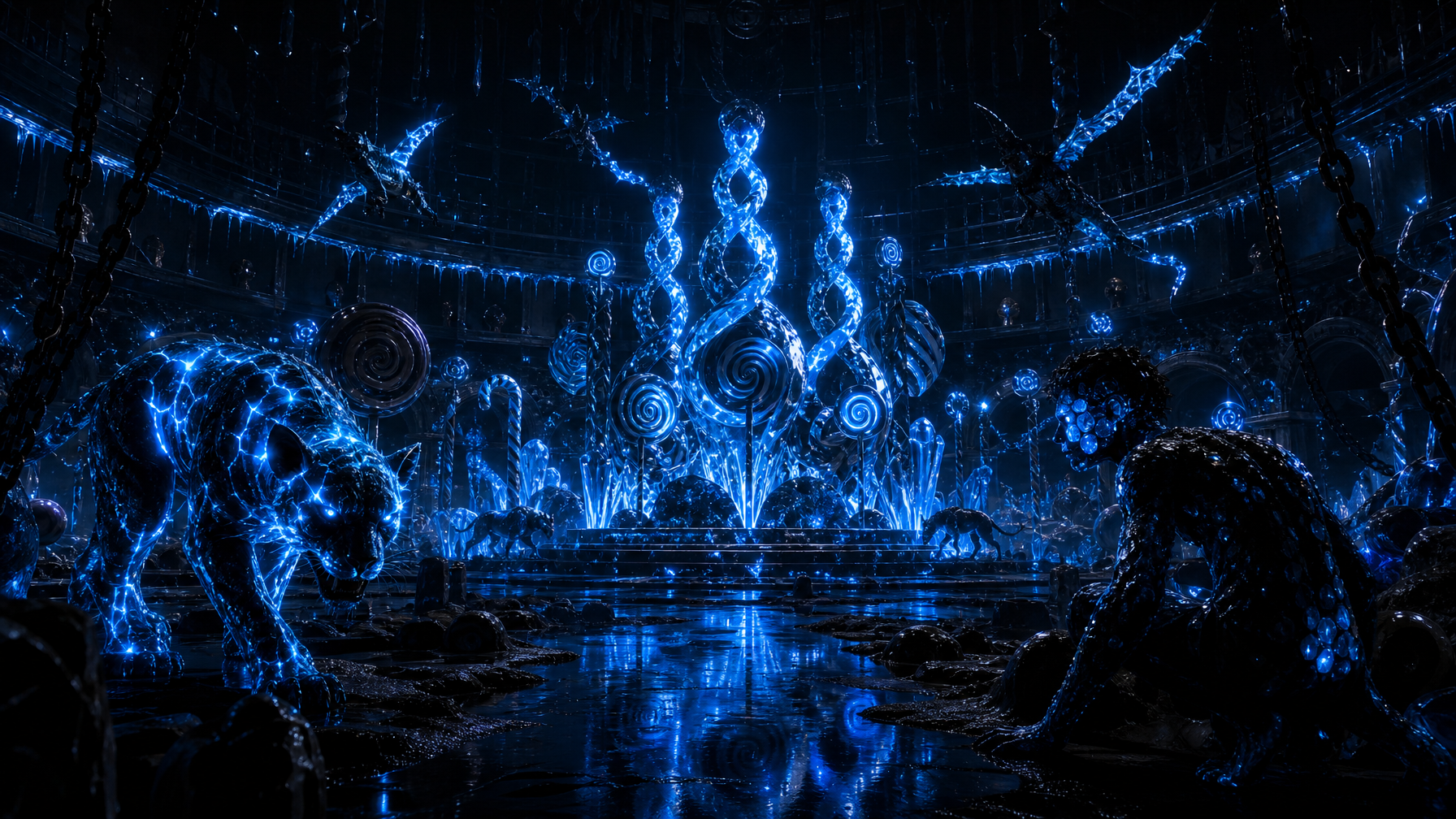
The Coliseum operates differently from every other competition on this list. There's no annual submission window. No months-long wait for results. Battles run live on the platform for 48 hours, the community votes in real time, and winners get paid.
The current World Cup battle has $200 on the line, runs through July 19, and is open now. Enter at kodex1.com/coliseum. If you want to compete regularly — not once a year — the Coliseum is the only arena built for that cadence. Every entry adds to your director record. Every win is permanent on your profile.
What Do AI Film Competition Judges Actually Look For?
The answer shifted in 2025 and has held through 2026. Early AI film competitions rewarded technical novelty — the wildest generation, the most seamless motion, the clip that made people say "I can't believe AI did that." That era is over.
Judges across every major competition now score on:
Directorial control. Did a human make intentional decisions about every frame, or did the director just run a prompt and post the first result? Judges can tell the difference. Generated footage with no edit structure, no consistent visual logic, and no sense of pacing signals low directorial input. That entry loses.
Narrative coherence. A 90-second film needs a beginning, a middle, and an end. Not necessarily a traditional story arc — but something that earns the audience's attention and then resolves it. Clip dumps disguised as films don't survive the first round of judging.
Visual consistency. Character, location, and lighting consistency across a multi-shot piece is still technically hard with AI tools. Directors who solve that problem — through reference images, consistent prompting, or manual compositing — instantly separate themselves from the field.
Sound. The number of competition entries that arrive with no sound design, or with royalty-free music slapped on as an afterthought, is still staggering. A serious sound pass is one of the fastest ways to move from the bottom third to the top third of any submission pool.
How Do You Enter an AI Film Festival?
Every competition runs its own submission process, but the mechanics are similar across all of them:
-
Read the rules before you generate a single frame. Length requirements, allowed tools, disclosure obligations, and rights terms vary. Some competitions require you to disclose every AI tool used. A few restrict specific commercial platforms. Know this before you invest production time.
-
Prepare a proper submission package. Most competitions want a title, a director statement, a synopsis, and technical credits alongside the film itself. A weak director statement on a strong film still costs you points. Write it like you mean it.
-
Check the file specs. Resolution, codec, file size — delivery failures on technical grounds happen more than anyone admits. Export clean, export early, and check the file before the deadline.
-
Submit before the deadline closes. Not at midnight. Submission portals get overloaded at the last hour and entry failures right before close are unrecoverable.
Are AI-Generated Films Allowed at Traditional Film Festivals?
This is the question every AI director searches eventually, and the answer in 2026 is: it depends on the festival, and the rules are still in flux.
Sundance has hosted AI-related panel discussions (including one with Andrew Ng in early 2026) but hasn't formally defined an AI film category. Most traditional festivals still require human authorship disclosures when AI tools were involved and some jury members actively downgrade AI-assisted entries in open categories.
The practical answer: submit to AI-native competitions first. Build your competition record there. A win at WAIFF or Runway AIF is a real credential — one that opens conversations with traditional festival programmers who are already watching the AI film space closely.
How to Win an AI Short Film Competition
Winning isn't about having the best AI tool. It's about being the best director in the field.
Pick a prompt that has a point. Competitions with open briefs expose every director equally. The entries that lose have no reason to exist — they're technically fine but say nothing. Before you generate the first frame, answer one question: what does this film make the audience feel? If you can't answer it, find a different angle.
Direct every shot. Don't run a prompt and accept the first result. Generate in volume — three to five variations per shot — and cut ruthlessly. The directors who win Coliseum battles on Kodex1 and take home prizes at AIF are the ones generating fifty clips and keeping ten. Volume generation paired with editorial discipline is the move.
Build a body of work before the competition opens. The directors who win major competitions aren't running their first film in the competition. They've already made five. The ones who've built a director portfolio on Kodex1 have something traditional competition entrants don't: a public record of their directorial decisions, their visual language, and their development over time. Judges at serious competitions research directors. Give them something to find.
Enter the fast-cycle competitions to sharpen your craft. Annual competitions give you one shot per year. The Coliseum gives you a shot every two weeks. There's no substitute for live reps — enter, get voted on by a real community, win or lose, and carry the feedback into the next piece.
Nail the sound. Worth repeating. Score it properly. Add foley. Mix the levels. It is the single fastest upgrade available to any AI film and most directors skip it entirely.
The Arena Is Open
The AI short film competition scene in 2026 is the most competitive it has ever been — and the most rewarding. Prize pools are real. Credibility is building. And the directors putting in the reps right now are the ones who'll own the record when the field gets crowded.
If you're serious about competing, start with the Coliseum. Build your record, earn your director page, and go into annual competitions with a body of work behind you.
Enter the Coliseum at kodex1.com/coliseum. The World Cup battle has $200 on the line and closes July 19. The arena is live now.